Choosing Your Cockapoo Breeder: A Guide to Finding a Reputable Match

puppy, dog, mammal, vertebrate, dog breed, cavoodle, cavapoo, miniature poodle, cockapoo, dog like mammal, schnoodle, dandie dinmont terrier, dog crossbreeds, cavachon, poodle crossbreedYour Guide to Finding Reputable Cockapoo Breeders

The decision to welcome a cockapoo into your home is an exciting one! These charming, intelligent, and low-shedding dogs make wonderful companions. However, the most crucial step in your journey is selecting a responsible and ethical Cockapoo breeder. This choice impacts everything from your puppy’s long-term health to their early socialization.

Knowing what to look for can help you find a truly reputable source for your new family member.

What Sets a Reputable Cockapoo Breeder Apart?

A reputable breeder’s primary goal is the betterment of the breed, not just producing puppies. They are a valuable resource and partner for you throughout your dog’s life.

Key hallmarks of a responsible breeder include:

  • Health Testing: They perform and can provide documentation for genetic health testing on all parent dogs, going beyond a basic vet check. This is essential for minimizing the risk of common hereditary issues.

  • Transparency: They welcome you to visit their home or facility to meet the puppy parents and see where the puppies are raised.

  • Lifelong Support: They offer guidance before, during, and after you take your puppy home and will insist you return the dog to them if you can no longer provide care.

  • Focus on Socialization: Puppies are raised in a clean, home environment and are exposed to various sights, sounds, and handling from an early age.

For a comprehensive list of questions to ask and red flags to avoid, the American Kennel Club provides an excellent guide on how to identify a responsible dog breeder.

Are You Looking for Miniature Cockapoos?

Cavapoo - Free Stock Photo by Pixabay on Stockvault.netMany families are drawn to the smaller size of miniature cockapoos. These pups are typically bred from a Toy or Miniature Poodle and a Cocker Spaniel. When searching for a miniature cockapoo, it’s especially important to discuss size expectations with your breeder. A trustworthy breeder will be honest about the estimated adult size of their puppies and the history of the parent dogs.

Why Choose PuffNStuff Cockapoos?

At

PuffNStuff Cockapoos Breeders in Virginia, we embody the principles of a reputable breeder. We are a small, in-home program dedicated to raising well-socialized, healthy miniature cockapoos. Our parent dogs are genetically health tested, and our puppies are nurtured as part of our family from day one.

We are committed to matching each of our puppies with the perfect forever home and providing lifelong support to our puppy families. If you are seeking a compassionate and transparent Cockapoo breeder, we invite you to get in touch and learn more about our program.

Essential Persian Cat Care: A Guide for Your New Kitten

Essential Persian Cat Care: A Guide for Your New Kitten

File:Fluffy White Persian Cat.jpg - Wikimedia CommonsBringing a beautiful Persian kitten into your home is an exciting time. Their sweet personalities and luxurious coats make them wonderful companions. To ensure your new friend thrives, they require specific care tailored to their unique needs.
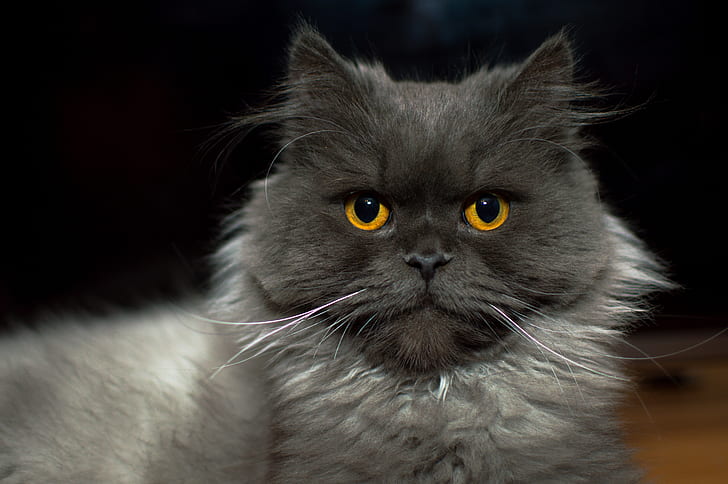
The Heart of Persian Care: Daily Grooming

That stunning long coat is the hallmark of the Persian breed, but it mats easily. A consistent grooming routine is non-negotiable for their health and comfort.

  • Brushing: Use a metal comb and a soft-bristle brush daily to prevent tangles and remove loose hair.

  • Bathing: Schedule a bath every few weeks to keep their coat clean and reduce oil buildup.

  • Eye Cleaning: Their prominent eyes can tear frequently. Gently wipe the corners daily with a soft, damp cloth to prevent staining.

Health and Nutrition for a Thriving Kitten

A proper diet is the foundation of your Persian kitten’s health. Feed them high-quality kitten food that supports their growth and energy levels. Always ensure they have access to fresh, clean water. For detailed nutritional guidelines, refer to the Cornell Feline Health Center, an authority on cat well-being.

Regular veterinary check-ups are crucial for vaccinations, parasite control, and monitoring for breed-specific concerns like polycystic kidney disease (PKD).

Creating a Purr-fect Home Environment

Royalty-Free photo: Gray Persian cat | PickPikPersians are typically calm, indoor cats. They appreciate a peaceful home with predictable routines.

  • Litter Box: Provide a clean, large litter box. Some Persians prefer low-entry boxes for easier access.

  • Playtime: Despite their laid-back nature, they enjoy short, gentle play sessions with interactive toys.

  • Safe Spaces: Offer cozy beds and quiet spots where your kitten can retreat and feel secure.

Your Trusted Source for Healthy Kittens

At pursepersians.com, we are dedicated to raising healthy, well-socialized kittens. We follow the highest standards of care from birth, ensuring they are ready to become a beloved part of your family.

Ready to learn more about our Persian cat care and available kittens? We invite you to explore the rest of our site and contact us with any questions

What Makes Golden Shaded Persians So Unique?

File:BRI Golden Garry v. Wahrberg (4488833650) (cropped).jpg - Wikimedia  CommonsGolden Shaded Persians are more than just beautiful—they’re living, purring masterpieces. Their glowing coats, rounded faces, and serene temperament have earned them a reputation as one of the most stunning variations among CFA Persian kittens. At dreamdollpersians.com/golden-persian-kittens, we raise Golden Shaded kittens with care, quality, and love, making them ideal companions for families and feline enthusiasts alike.

The Magic Behind the Golden Shaded Coat

Golden Shaded Persians are known for their luxurious golden coats tipped in black, creating a shimmering effect with every movement. Their vibrant coloring doesn’t develop overnight—it gradually matures, giving each kitten a unique tone and depth.

Key Features:

  • Striking emerald-green or aqua eyes

  • Small, rounded ears and short snouts

  • Dense, flowing coat with black tipping

  • Doll-faced expression with sweet, innocent eyes

These features come together to give Golden Shaded Persians an almost regal presence.

Why Golden Shaded Persians Stand Out Among CFA Persian Kittens

While CFA Persian kittens come in over 100 color variations, the golden shaded variety is among the rarest and most coveted. Their temperament is typically calm, affectionate, and gentle—traits that make them ideal indoor pets for calm households or individuals seeking a serene companion.

At Dreamdoll Persians, we raise each kitten in a loving home environment, ensuring they’re well-socialized and litter trained before adoption.

How to Care for Your Golden Shaded Persian

Golden Shaded Persians require regular grooming to maintain their luxurious coats. Here are some tips:

  • Daily brushing with a steel comb to prevent matting

  • Weekly eye cleaning to avoid tear staining

  • A quiet, low-stress environment to match their calm temperament

  • High-quality diet to maintain their coat brilliance

Want to Know More?

To explore the history and genetics of Persian coat colors, check out this insightful guide by Omlet UK. It provides detailed information about Persian cat care and breed traits from a veterinary-informed perspective.

If you’re searching for CFA Persian kittens with elegance, personality, and rare beauty, it’s time to Visit Dreamdoll Persians and meet your next furry companion.

The Role of Diagnostic Imaging in Veterinary Care

Canine Arthritis & Hip Dysplasia: Support Your Pet's HealthDiagnostic imaging plays a vital role in modern veterinary care. At Town and Country Veterinarian, we rely on advanced imaging technologies to accurately diagnose and treat a wide range of health conditions in pets. Whether your dog has a limp or your cat isn’t eating, imaging helps us find answers quickly and precisely.

What Is Diagnostic Imaging?

Diagnostic imaging includes tools like X-rays, ultrasound, and digital radiography. These non-invasive methods allow vets to look inside your pet’s body without surgery. They help detect broken bones, organ abnormalities, tumors, and other internal issues.

Why Imaging Matters

When pets are sick or injured, they can’t tell us what’s wrong. That’s where diagnostic imaging becomes essential. It gives our veterinarians a clear view of the problem. At Town and Country Veterinarian, our imaging tools help us create accurate treatment plans. This leads to faster healing and better outcomes.

Common Uses in Pets

Veterinarians use imaging for many reasons, including:

  • Checking for fractures or dislocations

  • Evaluating heart and lung health

  • Diagnosing abdominal pain or blockages

  • Monitoring chronic conditions like arthritis

Our clinic, also known online as @townandcountryvets, shares updates and educational info on how imaging supports pet health every day.

Safe and Painless for Pets

All imaging procedures at our clinic are designed with safety in mind. We use low-dose radiation and pet-safe ultrasound techniques. Most exams are quick and stress-free. In some cases, mild sedation is used to keep pets calm and still during the process.

Why Choose Town and Country Veterinarian?

Our team combines experience with compassion. We use the latest imaging equipment and techniques. Whether it’s an emergency or a routine check-up, you can trust Town and Country Veterinarian to provide thorough and gentle care. From the first scan to treatment, we keep pet owners informed and involved.

Conclusion

Diagnostic imaging helps us uncover what we can’t see with the naked eye. It leads to quicker diagnoses and better care. At Town and Country Veterinarian, we’re committed to using this technology to improve the lives of pets and bring peace of mind to their owners.

6 Toxic Foods You Shouldn’t Give Your French Bulldog

Sometimes you may think that your French bulldog can eat everything, but both for them and for any other dog there are foods that can harm their health. It is advisable to take the food of your French bulldog to the letter and avoid giving them food beyond the specific feed for them. On one hand, it can make them feel bad, cause allergies or poisoning, in addition to overfeeding them with the risk of being overweight.

Dangerous and forbidden foods for your French Bulldog

1.     Chocolate

Chocolate contains theobromine and caffeine, substances that affect the central nervous system, speed up the heart rate and increase blood pressure. Even consumed in small quantities they can be very dangerous to the health of the French bulldog. Some of the effects of consuming it are vomiting, hyperactivity, diarrhea, tremors, diarrhea, rapid breathing, weakness, and excessive urination. Do not think about giving ice cream in summer, for example, there are alternatives to give sweet treats such as homemade ice cream for dogs, homemade dog cookies, or dog cakes.

2.     Treats

Like chocolate and with the same effects, you should avoid giving them candies or sweets as they contain many fatty sugars, as well as dyes and preservatives very negative for the health of your French bulldog. In addition, our teeth, produce tartar and other dental problems. For this there are sweets in specialized stores, however, it is never good to consume them in excess. Forget about doing the grace by giving him to try a lollipop or a lollipop because, in the long run, it is not fun.

3.     Coffee or tea

Like chocolate and treats, if your French bulldog consumes coffee or tea, due to its high content of caffeine and theine, it can cause vomiting and diarrhea, as it is toxic to his heart and nervous system.

4.     Bones or spines

You should never give chicken, piglet, lamb, or rabbit bonesnor remains of fish with bones. They will bite you until they break it into small, sharp, sharp splinters, which can damage and puncture your esophagus, stomach, intestine, or rectum. In fact, there are many bad heartless people, who use chicken bones as a lethal weapon to harm dogs when they do not want them to take walks in certain areas. Keep a lot of watch on where you go with your French bulldog.

5.     Milk

The cow’s milk you buy for your daily consumption is also harmful to your French bulldog, it can cause vomiting or diarrhea because his digestive system does not assimilate it properly.

6.     Onion

Onion is toxic to any dog. Its toxic effect is the same both raw and cooked or dehydrated. The toxicity of onions causes damage to your blood, a type of hemolytic anemia by the destruction of red blood cells, which decreases oxygenation to the brain and other vital organs.

At Czar Frenchies, we have plenty of French Bulldog puppies for sale in Ohio, and you can choose the one that perfectly bonds with you.

How To Keep Your Cat’s Oral Hygiene Up To Date

We know that felines have a habit of grooming, right? They bathe alone and even bury their feces in the litter box. However, when we talk about cat oral hygiene, the guardian needs to help. After all, they can’t solve this part without the help of a human.

The Common Problems Of Oral Hygiene Of The Cat

If humans do not brush their teeth and do not go to the dentist, the accumulated dirt generates several complications. With cats, this is no different. Not paying proper attention to your cat’s oral hygiene can lead to serious health problems. The most common among them is periodontitis. When treated in advance, it does not lead to serious situations. However, without the necessary treatments, it can provoke even tooth loss. Its cause is tartar that accumulates causing inflammation and gingival retraction, with or without bleeding.

Another frequent situation is feline resorbent lesion or LRF. Basically, it’s feline decomposition. It can leave teeth fragile and with the possibility of falling out. Finally, another common disease is the Gingivitis-Stomatitis-Pharyngitis Complex or CGEF. Characterized by hyperemic lesions (red spots) that generate ulcers in the back of the mouth.

Well, you may have realized how essential it is to include brushing in your kitten’s routine, right? So, then check the ideal frequency and learn how to do it at home. Follow up!

How To Prevent Oral Hygiene Problems In Cats

We know that cat oral hygiene is essential, but in practice, most people don’t treat it that way. This is a habit still little adopted by tutors, especially when we talk about frequency. Think about it and answer for yourself: what is the ideal consistency for brushing feline teeth? 2 times a month? Once a week? The right answer is every day. That’s it! If humans brush at every meal, why would cats be any different? If not, try at least 3 times every 7 days.

In addition, regular consultations with the veterinarian are essential. During the visit, the specialist will assess the situation to make sure everything is fine or request some treatment if necessary. The last recommendation is to maintain good eating habits, which also make a difference. That is why it is so important to know how to choose the feed.

How To Brush Your Cat’s Teeth

The best way to introduce the habit is when the pet is still a puppy. However, if you have an adult pet and want to start caring for it, we have some tips! The important thing is that the cat understands that this is a moment of affection. So, choose a quiet place and start cafuné until you are very relaxed. With the help of the specialized toothbrush, start cleaning slowly and with light movements. After several attempts, you will gain confidence and it will be easier to perform thorough hygiene.

If you have trouble doing so, try it at different times, calmly. It is important not to force, as it has the possibility of stressing the animal. If even after numerous experiments, it is unsuccessful, there are other alternatives that help. Currently, in the market, you can easily find mouthwashes, sprays, and foams that achieve almost the same result. For the very best in Dental care for dogs in Virginia visit www.TCVCCares.com


What Do The Puppies Eat?

Just as people go through different phases to follow an adult diet, our dog must go through the same phases. At 20 days we can start weaning, but depending on the breed we will have to wait until they are between 12 and 24 months old to give them adult dog food. While your puppy will have to eat, first about 4 or 6 meals a day, and as he grows we will increase the amount reducing the frequency to two meals a day. But what will we give him?

At first, we will prepare some semi-solid porridge from dry feed soaked in water – never with cow’s milk-, which can be combined with breast milk. At 45 days the dog will be completely weaned, and we will continue with those feeds specifically designed for puppies. They are feed rich in protein, vitamins, calcium, and energy; and although the colored ones may be more attractive to you, it is better to choose a brown feed, without dyes.

Coinciding with these first weeks, their teeth will begin to come out. Although it is easy to fall into temptation and give the puppy human food, we must bear in mind that it is very difficult for them to digest it, especially when they are so small. From the fifth week we can completely abandon milk, and little by little we will also add less and less water to the feed so that they get used to solid food. Tooth growth is key to completing this transition to solid feed.

Forbidden Foods for Puppies

The feeding of the puppy is key since depending on how we feed it, it will grow healthy or have problems that will accompany it for the rest of its life. Never offer him raw meat, better cook it to kill the bacteria, and be careful with the bones, no matter how small: they can damage the teeth or the intestine. And remember that chocolate, onion, or grapes are toxic. At these ages, treats are not recommended either, although if you give in, try not to make them more than 10% of their diet.

Puff and Stuff Cockapoos are among the best-mixed Cocker Spaniel and Poodle dog breeders for vaccinated cockapoo puppies. You can view their current litters to pick the perfect puppy to take home with you.

5 Reasons to Take Your Dog to a Pet Resort While You’re Away

If you are going to go on a trip, whether for work or vacation, there is one thing that can worry you too much: what will you do with your dog? Sometimes you can take him with you if you find lodging where he can accompany you and thus avoid being left alone, or you can also leave him in charge with someone, although you do not know if he is going to take care of him properly. Therefore, the best option, where you can be sure that you will have good care, is a dedicated pet resort. If you are not convinced that it is the best option, today we are going to give you the main reasons to take it.

1. Entertainment away from home

Dog resorts are designed so that pets can entertain themselves as if they were at home, so you won’t have to worry about your dog being alone, with nothing to do. They have open spaces, gym areas, swimming pools, and other amenities specially designed for the care of your pet.

2. They will socialize with other dogs

At the resort, your dog will find others to interact with, which is ideal when your pet is very social. No matter how old he is or his energy level, you will have the opportunity to develop his social skills and have fun as if he were in the park where you always take him.

3. Less separation anxiety

Some dogs do not do well left alone and may become anxious, start chewing things or bark non-stop; instead, in a resort for dogs, they will be surrounded by other dogs and handlers trained to take care of them and help them remedy this problem, which can affect many dogs.

4. They will not be home alone

Despite being well-trained, dogs that are home alone for a long time can suffer from boredom and lack of stimulation, which is why they tend to develop destructive behaviors, such as biting things, taking the bathroom anywhere, some even self-mutilate; behaviors that you can avoid by leaving him with professionals in a resort for dogs.

5. They will discharge all their energy

If your dog has high energy and needs to exercise every day, in a resort for dogs he will have open spaces available to run and interact with other dogs so that at the end of the day he is calm, happy, and tired to finally rest and feel at home.

These are the main reasons to take your dog to a Dog daycare in Southern California, such as Margale Pet Resort, where we help your dog make new friends. Plus, it’s a wonderful way for you to meet new people with dogs.

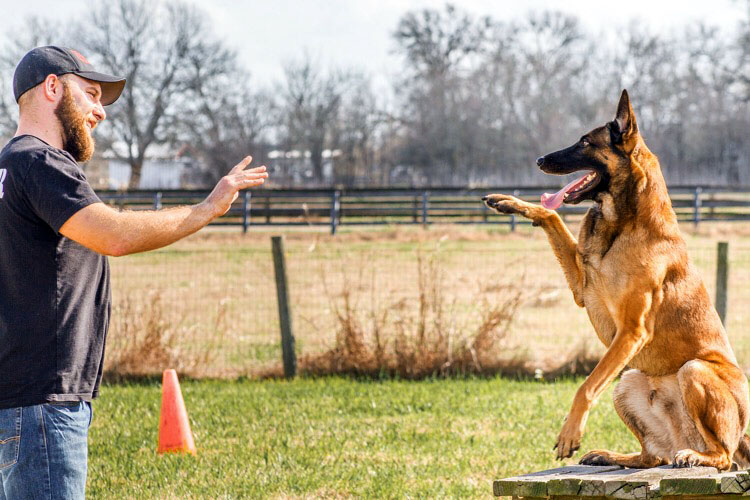
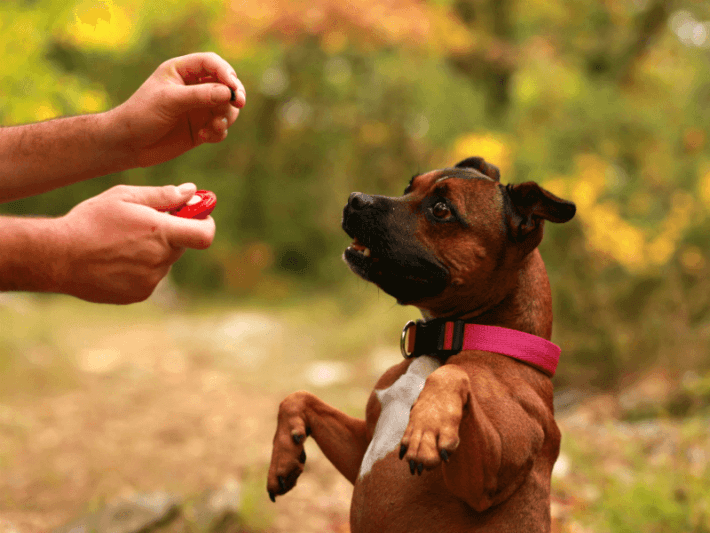
Tips when choosing the right Dog Trainer

Question; what should you do to make your dog be friendly to strangers, behave well when you walk him to the park or just be fun to be around you and other people? It’s simple, just take him to a good dog trainer. Well, you might train him partially especially with the basic commands, but it needs more than that. Now, on to our topic of discussion; what are the qualities of a good dog trainer?


 Sense of Humor


Don’t be surprised about this quality. On the contrary, a good dog trainer must be light-hearted. They will be handling the dogs, which behave differently. So if the dog trainer doesn’t have a good sense of humor, they might even be easily frustrated. In the end, the dog might be scared, and that would ruin the entire training process.


Patience


Yep, another must-have quality of any dog trainer is patience. This is a virtue that lets trainers make the entire process easy and successful. Some dogs will respond slowly to the training, while others will master the tricks and commands quickly. For that, the trainer should not be too pushy and overly impatient with the training process. You can even test them by how you ask questions. If they cannot answer multiple questions, then it means that they are not patient enough.


Flexibility


The dog trainer should also be flexible enough. This implies timely flexibility, as well as training flexibility. If one approach doesn’t bear fruits, the trainer should apply a different approach to see if the dog will adapt to it. Also, they should adjust their availability based on the client. Some clients will only be available over the weekends. For that, the dog trainer should be available when needed.


Creativity


Well, there is the regular training approach used by nearly all dog trainers. However, a good trainer should be able to apply some other creative measures just to spice up the training process. They can even customize the training techniques to fit the understanding level of the dog.


Tolerance


Another thing that a good dog trainer should have is tolerance. They should accept that dogs are dogs. What does that mean? Well, dogs will be dirty time and again, and that is what dog trainers should get used to. They will come with dirty paws and fur, which should freak them out if the trainer really wants to handle the furry buddies.


Always ensure that you choose a good dog trainer that has all the appropriate qualities before you decide to take your dog to them. Above all, visit their facilities to check that they have all the necessary equipment and supplies.


Shadalane Golden Retrievers  is one of the top breeders that offer Golden Retriever training in San Diego You can also get the chance to check the available litters and pick your favorite Golden Retriever.


https://youtube.com/watch?v=WsQxFc8BUWo%26t%3D1s

5 Things To Look Out For in a Bambino Cat Breeder

If you are looking for a good and healthy Bambino, you will want to consider the breeder that you choose. A good breeder will help you get the right Bambino cat that doesn’t only fit your budget but also matches your preferences. There are a lot of benefits of buying a bambino cat from a reliable breeder. But how do you find a reliable Bambino breeder? Here are some qualities to consider:


1. The Experience of the Bambino Breed


Notice that we are not saying the experience of the breeder in the field, but their experience in the specific Bambino breed. Do they know what they are doing or they are in the field just to make money? A good breeder should have a deep knowledge of the Bambino Cats, and they must have dealt with the specific breed for the longest time possible. This shows that you are working with a professional breeder that is willing to help you accordingly.


2. Love For the Cats


You don’t want to work with a breeder that is only ready to get rid of the cats so that they can make money. Instead, they should have the love for the pets that they are working with. Watch how they handle the cats and you can also ask if they have one at home. Honestly, it wouldn’t make sense if the breeder is offering you the Bambino cat but they don’t own a Bambino cat at home. Typically, you should ensure that the cat breeder has the love for the cats that they are offering for adoption.


3. Well-Informed


It isn’t just about having experience in the field and being a cat lover. Instead, the Bambino breeder should have enough details about the Bambino breed. In other words, they should be ready to give you the necessary information that you need when you will be taking the cat home. You want to know how to handle and take care of the cat appropriately, and the breeder should be the right person to help you with that.


4. Availability


A good breeder should be readily available when you need their help. Whether you want to have a look at their facilities, you need to inquire about something, or you want to buy a cat from them, they must be available at all times. For that, consider the breeder’s availability when deciding to pick them.


A reliable breeder should offer decent Bambino cat prices (https://www.purrbastetsphynxandbambinos.com/available-kittens.html), which should match the health and quality of the cat they are offering for sale or adoption.


https://www.purrbastetsphynxandbambinos.com is a great place to buy healthy Bambino cats.